DON’T GET
PLAYED
|
The e-cig industry wants to hook you. You can help stop them. |
|
The e-cig industry wants to hook you. You can help stop them. |
People who vape nicotine are more likely to report depression and anxiety. Why? It might be because nicotine changes the levels of neurotransmitters in our brains. Like acetylcholine, which is connected to the way we perceive and feel emotions. For more information on vaping and nicotine, go to BehindTheHaze.com.
Research continues to provide new insight into the reinforcing effects of nicotine, and its ability to promote smoking(or vaping). The 2018 Monitoring the Future survey results reports a dramatic increase in teens using vaping devices.
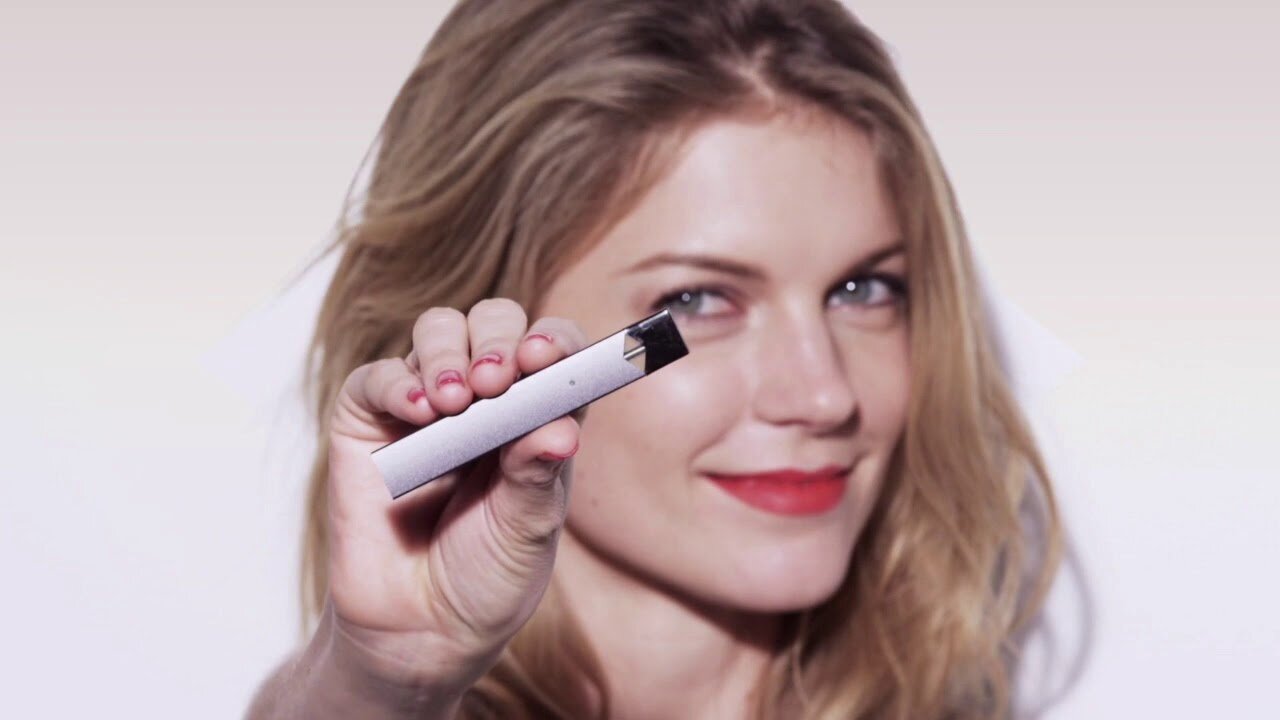
JUUL says it's only trying to reach adults, but millions of views, likes and shares tell a different story. After all of progress that truth and other youth smoking prevention campaigns have made on reducing teen smoking, is the rise in popularity of JUUL addicting a new generation?
Nicotine products in New York are so cheap and accessible that they are driving widespread youth addiction, making increased taxes a critical public health strategy to reduce teen use. Read this op-ed by Sohan Shah
US News: The tobacco industry is targeting kids to make us addicts. The government needs to fight back with tougher regulations and penalties.
The Miami Student: Did you know there are 17 vape and smoke shops in Oxford? Because I sure did not. When I first heard this number, I thought it was a joke. Unfortunately, it’s true that Oxford houses more vape shops than it does cafes.
Spectrum News: According to the CDC, more than 500,000 middle schoolers across the country use e-cigarettes.
Gwinnett Daily Post: As the pair, now seniors, were beginning their high school careers, they decided to start an organization to fight the use of e-cigarette, or vaping, products used by their peers.
Enterprise Record: Three students within the Chico Unified School District won a contest to have their drawings displayed on billboards across the city conveying messages about the dangers of vaping.
Quitting can be tough, but you are tougher. Use our info and resources to quit vaping and stay vape-free.
Join the campaign to make people aware about the environmental impact of vapes--and enter to win a sustainable prize from NAECO!
Vapes, vaporizers, vape pens, hookah pens, electronic cigarettes (e-cigarettes or e-cigs), and e-pipes are some of the many terms used to describe electronic nicotine delivery systems (ENDS). ENDS are noncombustible tobacco products.
While cigarette smoking is at an all-time low among high school students, increases in e-cigarette use have reversed progress made in the decline of overall youth tobacco use.
E-cigarettes are sometimes called “e-cigs,” “vapes,” “e-hookahs,” “vape pens,” and “electronic nicotine delivery systems (ENDS).” Some e-cigarettes look like regular cigarettes, cigars, or pipes. Some look like USB flash drives, pens, and other everyday items.
E-cigarettes are devices that heat a liquid into an aerosol that the user inhales. The liquid usually has nicotine and flavoring in it, and other additives. The nicotine in e-cigarettes and regular cigarettes is addictive. E-cigarettes are considered tobacco products because most of them contain nicotine, which comes from tobacco.
Your choice to use tobacco may prevent you from doing the things you want to do in the future. The sooner you quit, the better off you will be.